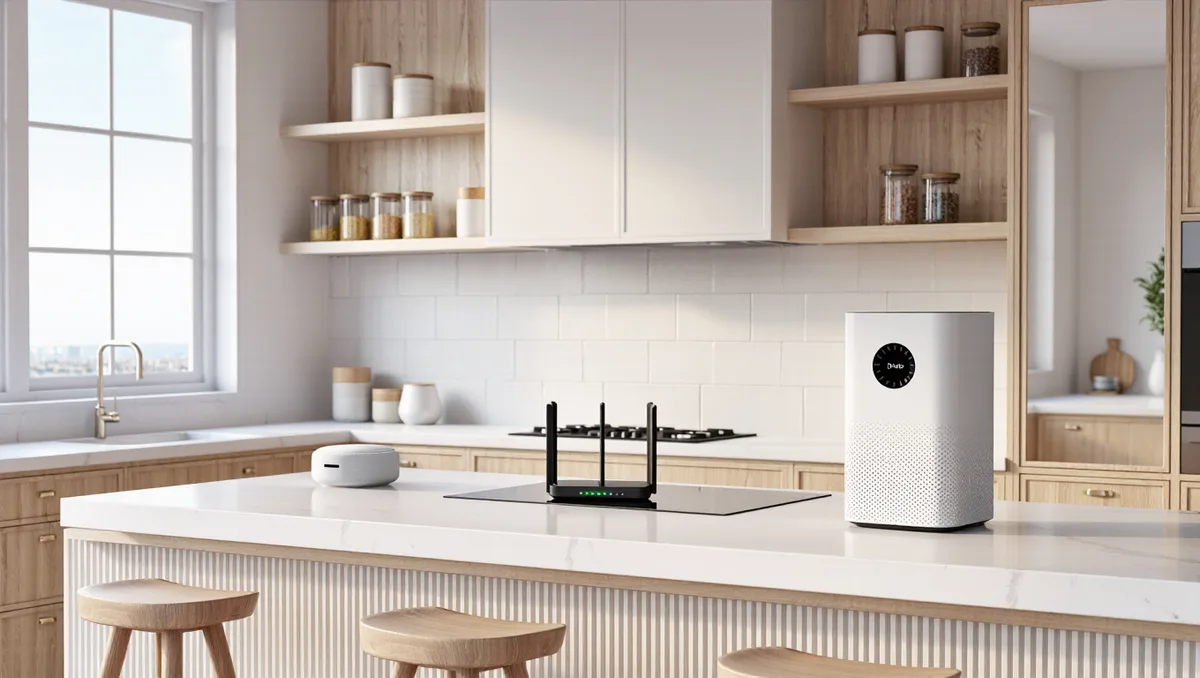

The best kitchen gadgets pay rent, and the rent is an inch of counter. A kitchen is fixed real estate with a stove, a sink and a few feet of work surface. Every device bids for a spot, and most bids fail. The best kitchen gadgets win their space by doing daily work. That work must be a job a knife, a pan or the oven cannot do. Everything else belongs in a cabinet, a donation box or a late-night checkout screen unfulfilled.
The counter test sounds soft, but it is brutal over a year. A tool that sits unused still costs space, cleaning time and visual calm. A tool that earns its spot disappears into a routine, like the kettle or the coffee grinder. That is the whole review in one sentence. Judgment by counter space also sidesteps brand wars, because counters do not care about logos. Rent, in a kitchen, gets paid daily or never.
The Rent Is an Inch of Counter
Three tiers make the sorting honest. Counter tier: used near daily, worth the prime inches. Cabinet tier: used monthly, worth the storage. Garage tier: used once, worth neither. Most novelty gear is garage tier from birth. The fondue pot, the taco tower and the third waffle iron all live there. The garage tier also holds gifts, which arrive with feelings attached. Feelings do not wash dishes. The test is simple honesty about the last use date, not hope about the next one.
How the Best Kitchen Gadgets Pay It Back
The payers share a shape: they collapse a chore that repeats. A dishwasher collapses an hour of scrubbing into a button. A kettle collapses waiting into minutes. A good blender collapses prep that no knife can match. The best kitchen gadgets also stack with habits that already exist. A bread maker fights the calendar; a rice cooker rides it. When a gadget asks for a new routine rather than serving an old one, the counter wins the argument. March is usually the deadline. Readers following this should also see Spy Gadgets at the Consumer Level: What the Law Allows.
Water, Power and the Label Math
The running costs sort the keepers further. ENERGY STAR says a certified standard-size dishwasher costs about 50 dollars a year to run. Over its life it saves about 5,800 gallons of water. The same program certifies refrigerators, the one appliance that never sleeps. Its listings give shoppers a neutral floor for comparison. The math matters because kitchen gear runs daily. The label pages list certified models by size, which settles showroom arguments fast. A ten-percent efficiency gap on a duty cycle that never stops compounds quietly for a decade. Labels turn that hidden cost into a line on the spec sheet, which is exactly where it belongs.
The Recall Check Before Purchase
Kitchen gear also carries a safety ledger. The Consumer Product Safety Commission updates its recall feed constantly, and small appliances appear there with regularity. A two-minute model search before buying catches the actions that marketing pages never mention. Serial numbers ride the box or the back plate. The check matters double for anything with a heating element or a lithium battery. Those two lead the hazard list in this category. The index lists the hazard, the fix and the remedy, from refunds to repairs. A recall note in the search history beats a fire drill in the kitchen.
Conclusion: The Counter Decides
The kitchen rewards fewer, better tools, and the counter is the referee. Watch efficiency labels tighten on dishwashers and fridges, raising the floor for what deserves the space. Watch battery-powered prep gear draw the same scrutiny other lithium devices already face. The best kitchen gadgets were never the loudest ones at the gift show. The inch is the invoice. They are the ones still on the counter next winter, paying rent in inches and earning it in minutes saved. We covered a connected angle in Gadgets for Men Without the Gift-Guide Cliches, by Budget Tier.