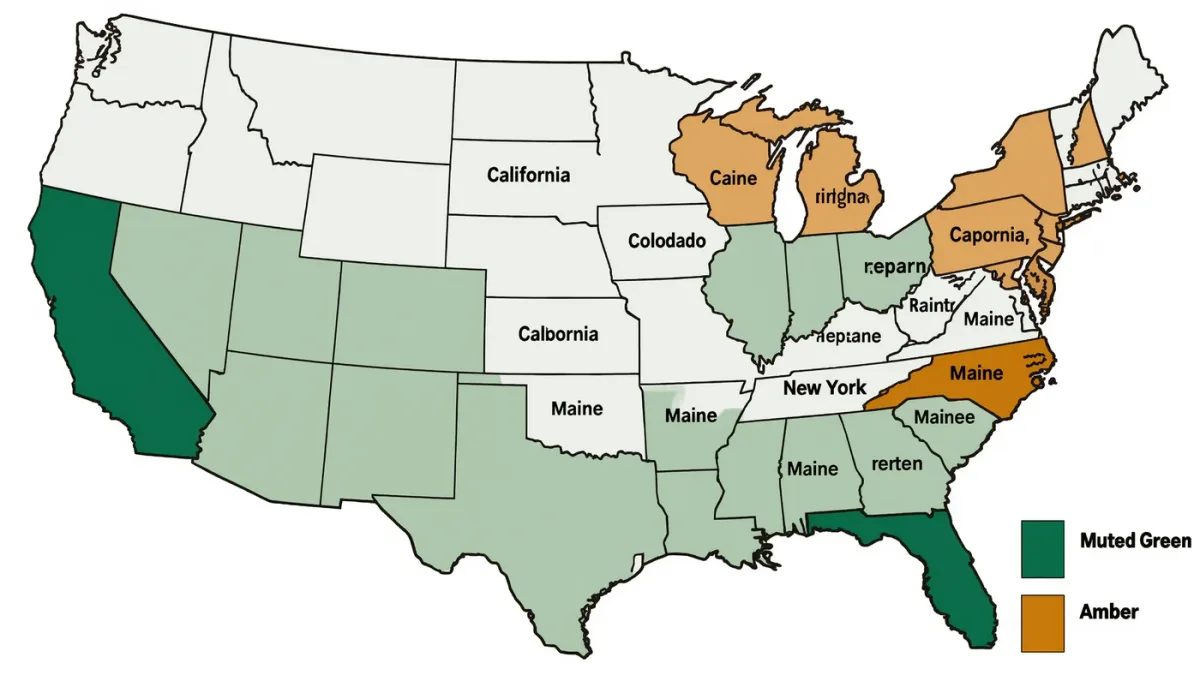
Spy gadgets sit on a legal map, not a wish list. Consumer shops sell hidden cameras, audio recorders, GPS trackers and signal blockers with few checks at checkout. The law checks all of them after the sale. Three federal lines matter most: wiretap statutes, video voyeurism law and radio jamming rules. Spy gadgets that cross those lines turn owners into court cases. Not knowing the line has never worked as a defense. The chip is rarely the crime; the setup is.
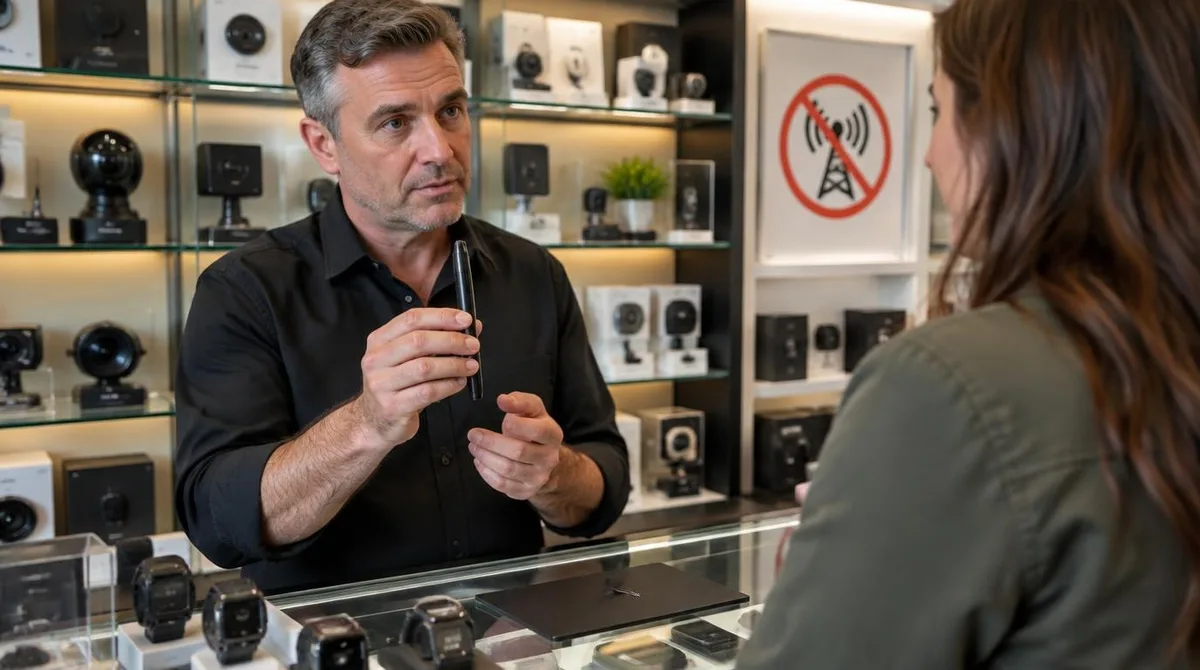
The map matters because the products look harmless. A pen recorder is a voice memo tool in one room and a crime in another. The same pen can be legal at a lecture and illegal at a lunch. The difference is rarely the device. It is the place, the consent of the people recorded, and the radio band in play. Ownership is legal in most categories. Use is where the lines start, and the lines have teeth. For related coverage, see Smart Home Sensors: Every Type And What Each One Detects.
The Map Comes Before the Catalog
Start with sound. The federal Wiretap Act sits at Title 18, Section 2511 of the U.S. Code. It bars the secret capture of calls, spoken talk and electronic traffic. Conversations gain protection the moment parties hold a reasonable expectation of privacy. Courts read the statute broadly, and encryption does not soften it. State statutes layer on top, and consent rules differ by state. Some allow one party to consent. Others require all parties. The same recorder behaves differently across a state line.
Spy Gadgets the Law Draws Lines Around
Cameras follow a privacy logic rather than a consent logic. Federal law at Section 1801 makes it a crime to capture images of private body areas without consent. The setting must be one where privacy is expected. Restrooms, dressing rooms and hotel rooms sit clearly inside the line. A doorbell camera on a public-facing porch sits outside it. The line tracks the room, not the lens size. Trackers land in between. Slipping a GPS unit on someone else's car without consent invites stalking and harassment charges in most states. The pattern across spy gadgets is consistent: the more the target expects privacy, the shorter the legal leash. We covered a connected angle in Gadgets for Men Without the Gift-Guide Cliches, by Budget Tier.
Jammers and the FCC Line
Signal jammers are the cleanest ban on the shelf. The Federal Communications Commission states flatly that jammers are illegal to market, sell or use in the United States. Its enforcement page warns of civil penalties, seizure of gear and criminal sanctions. The reason is physics with a civic edge. A jammer cannot block one target. It blocks the room, the block and the 911 call three doors down. Hotels and theaters ask for jammers too. The answer stays no. Counter-surveillance wish lists meet a hard federal wall here.
What Enforcement Actually Looks Like
Regulators act on the sellers and the serious cases. The Federal Trade Commission banned the maker of the SpyFone stalkerware app from the surveillance trade. The final order landed in late 2021. The case turned on apps that let one phone secretly track another. The case set a template. Stealth tracking of a person without consent now risks market bans, not just fines. Public cases teach the same lesson the statutes do. Stealth is the crime, not the chip.
Conclusion: The Line Moves by State
The federal floor is clear: no jamming, no secret capture, no hidden mics in private spaces. The state layer above it keeps moving, session by session, as legislatures revisit consent and tracker rules. Watch state statutes tighten around audio recorders and vehicle trackers first. The map above is the floor, not the ceiling; some states go further each year. Spy gadgets are legal as objects and risky as surprises. The safest rule in this trade is written consent, first.