Travel gadgets get judged at three moments: the pack, the checkpoint and the tray table. Most gift guides only picture the first. The gear that lasts is the gear sorted by carry-on role. A bag is a small warehouse with strict inventory rules. Travel gadgets that fit a role stay in the kit for years. Gear bought for a photo op dies in a drawer by spring.
The sorting matters more than the brand. A pocket fills faster than a sleeve, and a sleeve fills faster than a case. Batteries, cables and anything with a radio carry federal rules. Aviation and security agencies set those rules, not the makers. The checkpoint also moves at a set pace. Gear that fits the pace flies calm.
Four Slots in One Bag
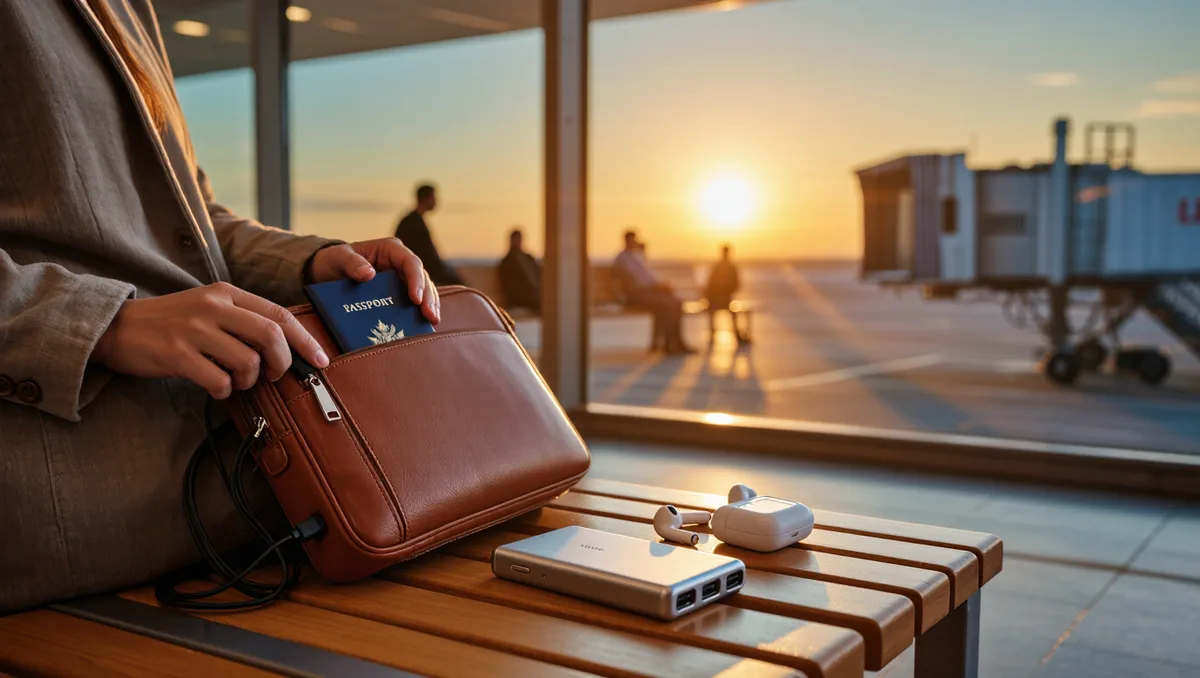
Slot one is the pocket: passport wallet, phone, earbuds, the things needed at arm speed. Slot two is the seat sleeve: e-reader, cable roll, battery pack, snacks. Slot three is the bag body: noise-canceling headphones, adapter kit, packing cubes. Slot four is the protected case: camera, drone or anything with a lens. Every travel gadget earns one slot, and nothing earns two, not even the battery pack. The roles have a logic. Reach speed falls as slot depth grows. Count the slots before counting the gear, and the bag sizes itself. This connects to our earlier piece, Smart Home Sensors: Every Type And What Each One Detects.
Travel Gadgets by Carry-On Role
In the pocket tier, the test is one-hand retrieval at the checkpoint. In the sleeve tier, the test is grab-and-stow without unzipping anything else. In the body tier, weight decides: headphones that pinch get left in the hotel. In the case tier, protection beats thinness, because baggage systems are industrial. The same battery pack plays different roles by trip length. A weekend needs sleeve duty. A long haul promotes it to the body tier, paired with the charger cube. Weather adds the last test. A gadget that dies in drizzle was never travel gear. For related coverage, see Smart Home Appliances: What Connectivity Adds And What It Costs.
Batteries Draw the Hard Line
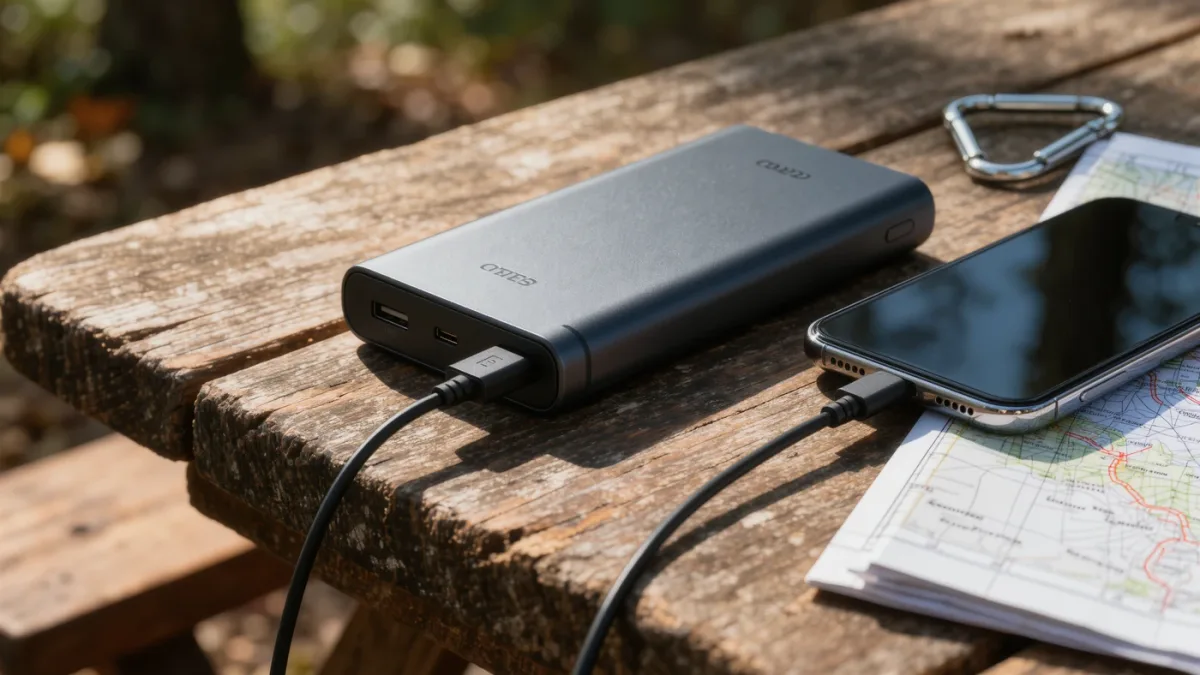
The Federal Aviation Administration runs the PackSafe rules for passenger gear. Spare lithium batteries and power banks ride in carry-on bags, not checked luggage. Devices with lithium batteries belong in the cabin as well, per TSA guidance. The TSA keeps a public carry-on list that spans hundreds of items. The list repeats one habit: when in doubt, the item rides above or stays home. Watt-hour limits also cap the biggest banks on most carriers. The FAA page carries the numbers, and airline sites mirror them. Loose batteries in a pocket full of keys are a fire risk with a schedule attached.
What Checkpoints Actually Check
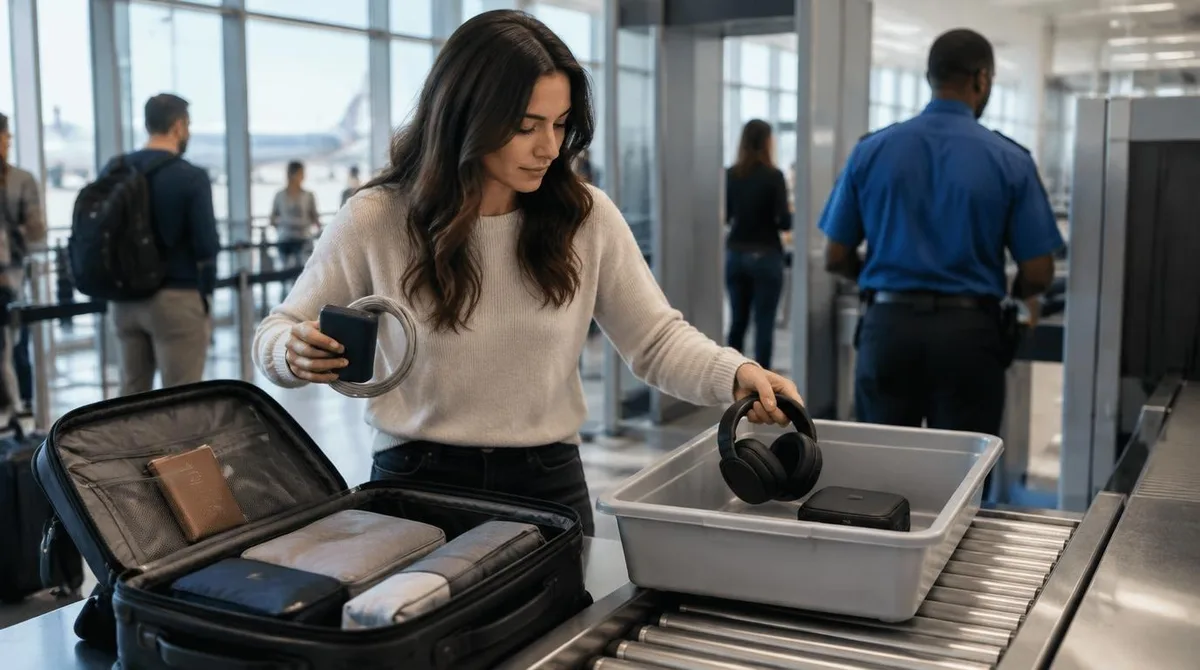
The TSA reminds travelers that powerless devices will not fly. Officers can ask that a laptop be powered up. A dead battery is a boarding risk, not a small hiccup. The agency also notes the final call rests with the officer at the lane. That fact shapes the kit. Cables stay reachable, batteries stay charged, and fragile items ride in sight. Travel gadgets that need power ride charged, every leg. Electronics larger than a phone come out at most scanners, so sleeve gear needs fast-release homes. Shoes, belts and liquids still pace the lane. The kit that flows with that rhythm clears faster than any fancy fabric.
Conclusion: The Bag Remembers the Route
A good travel kit is boring, and that is the compliment. Watch the battery rules tighten as power banks grow; aviation agencies keep revising watt-hour guidance. Watch checkpoint scanners move toward keeping laptops packed, which would thin the tray-table ritual. Until then, role sorting beats gadget shopping. One item out per trip keeps the kit honest. Travel gadgets that earn a slot stay; the rest were souvenirs of a shopping trip. Next year, the same slots get refilled faster, and the ritual shrinks to twenty minutes.