A smart home gym is a room full of sensors wearing fitness clothes. Treadmills count strides, bikes count watts, mirrors count reps, watches count heartbeats. Some of those numbers come from real instruments. Some are guesses dressed as instruments. Telling them apart is the whole game.
The measured numbers earned their keep in labs. The guessed ones often come from models built on averages, and averages fit no one exactly. Owners who know which is which train smarter and buy smarter. Both kinds print with the same confidence, which is why the labels rarely help.
What The Smart Home Gym Measures Well
Direct measurement is solid here. Heart rate from a chest strap is close to clinical. Power on a smart bike comes straight from strain gauges. Cadence, pace, distance and reps are counted, not estimated. These numbers repeat day to day, which makes them useful for tracking. For related coverage, see Smart Home Installation Services: Reading The Market And Every Quote.
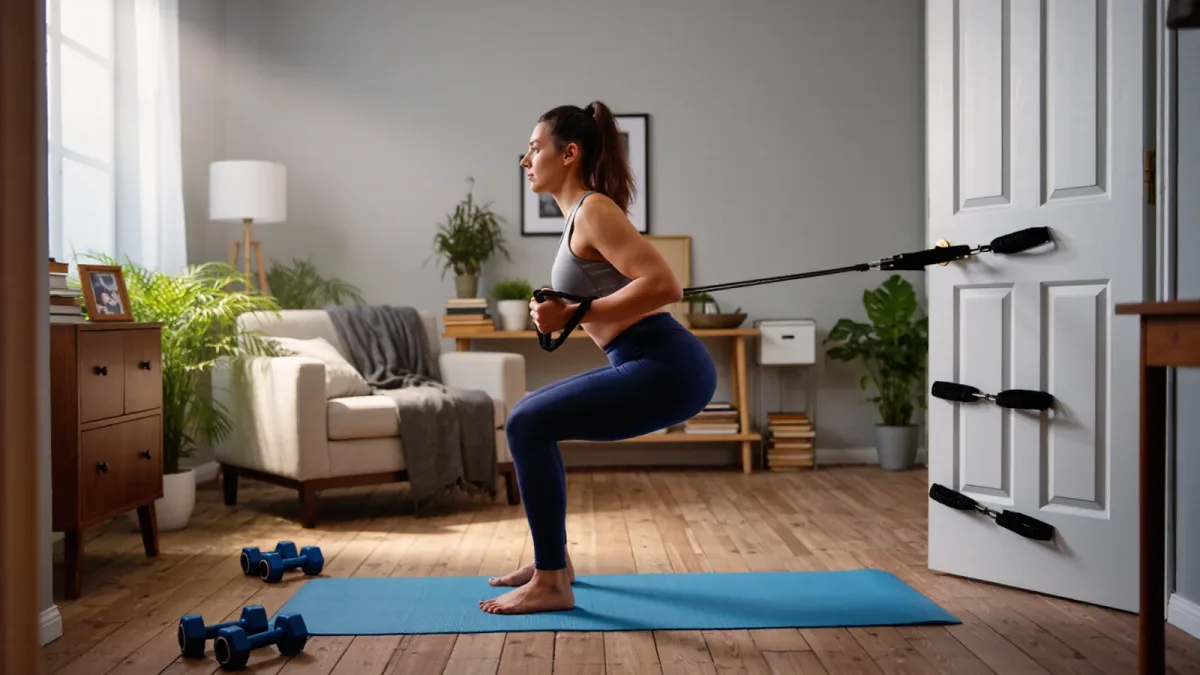
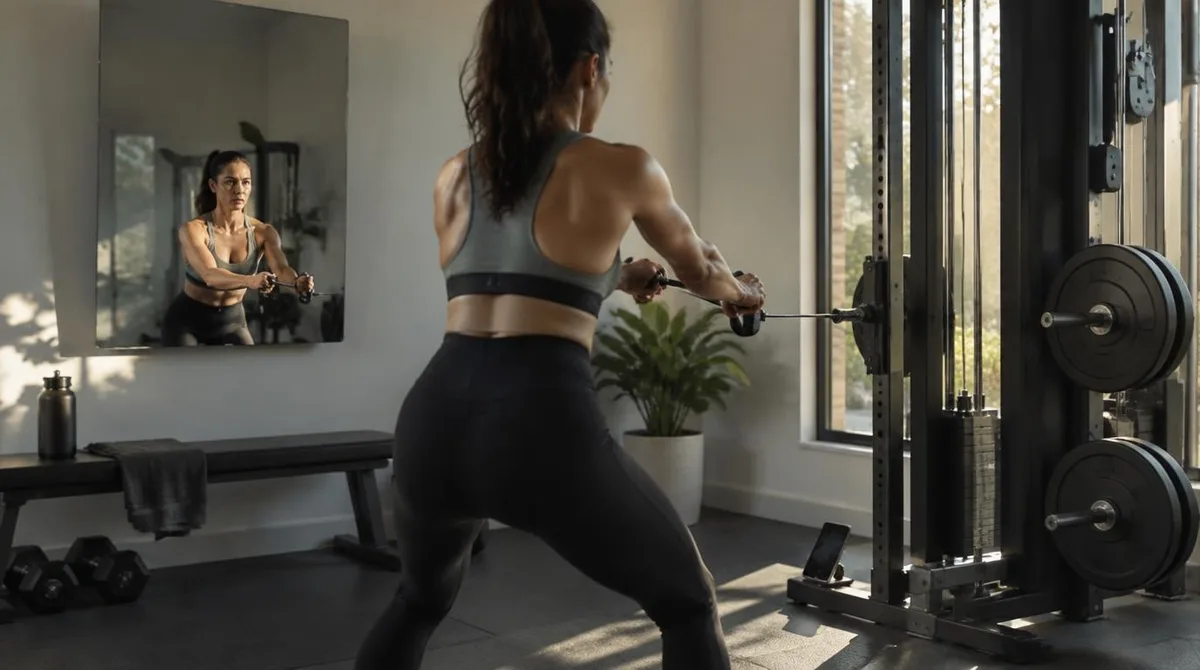
Strength machines joined the club late but honestly. Cable machines with load cells report actual force moved. Camera based systems count reps from a phone on the floor. Counting is easy now. Form judging is where machines still squint.
Rowers and treadmills add direct force and pace data from the machine itself. A connected screen does not make a number better. The sensor under the belt does.
What The Kit Guesses
Calorie burn is the big guess. It starts with measured heart rate or power, then applies a model full of assumptions about body mass and fitness. Two devices on the same person can disagree by wide margins. The trend matters; the number does not.
Recovery scores, sleep ages and fitness ages stack guesses on guesses. Each is a model output wearing a lab coat. Tracking a trend over months can still teach something real about training load.
Heart rate without a strap is a softer guess. Wrist sensors track well at rest and drift during lifts, grips and intervals. Chest straps still win on hard days.
Where The Data Goes
The data trail is the part few people read. In 2021 the Federal Trade Commission warned health apps and connected device makers about the Health Breach Notification Rule. Health data now carries clear legal duties. Penalties can reach $43,792 per violation per day. Workout data is health data, and it travels.
Practical hygiene follows the FTC playbook. Strong unique passwords, two factor sign in and a hard look at app permissions. A spin bike that demands contact list access deserves a flat no.
Exports matter more than promises. A platform that lets data leave in a standard file keeps trust by choice rather than by lock-in. Ask for the export before buying the ecosystem.
Treadmills, Kids And Safety
The physical risks are older than the tech. The Consumer Product Safety Commission recalled a major treadmill brand in 2021. The recall followed one child death and more than 70 incidents. Its advice stands: keep machines away from children, stop using equipment near kids and pets, and unplug when idle. Smart features do not soften a moving belt.
Weights and camera systems add their own footprints. A dedicated clear zone, bolted racks and a no tip mount are the boring fixes. They are what keep home gyms open for years. Six feet of clear floor behind a treadmill gives a runner one chance to stumble without hitting a wall.
Conclusion: The Mirror Ahead
The smart home gym keeps moving its instruments closer to the body and its guesses closer to the truth. Watch for validated strength tracking, standard health data exports and regulators circling wellness apps. A smart home gym earns its floor space when the measured lines outnumber the guessed ones. The price of honesty in numbers keeps falling, which is the trend worth watching most. This connects to our earlier piece, The Smart Home Installer Trade: Credentials, Quotes And Red Flags.