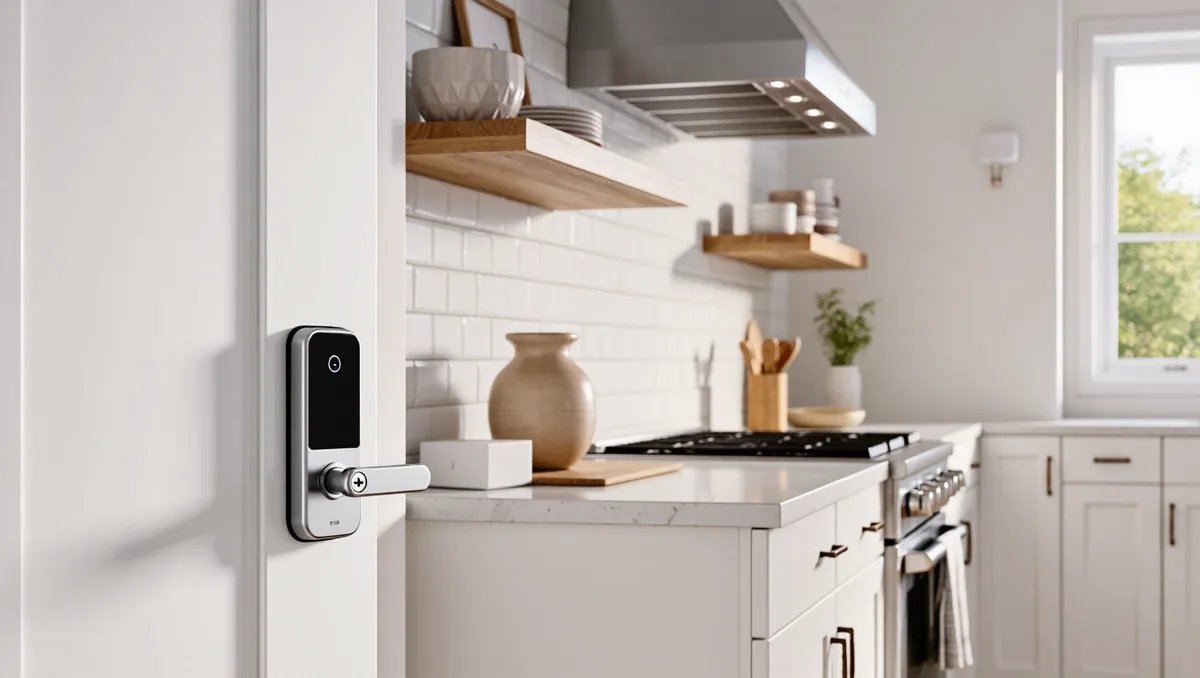
A smart home door lock is a motorized deadbolt with a radio where the thumbturn used to be. It grants access by code, phone, fob or fingerprint, and it reports every event. The mechanics are old; the access layer is new. Most failures live in that new layer, not the bolt.
The category matured on two supports. Matter handles the control side. Hardware grades from BHMA, the ANSI accredited body that writes lock standards, handle the metal side.
How The Smart Home Door Lock Works
Inside, a small motor throws the bolt, and batteries feed it. No lock wires the house; batteries last months to a year. Codes, cards and phone keys sit on top of a mechanical core that still turns by hand from inside. A hard reset usually means a battery pull.
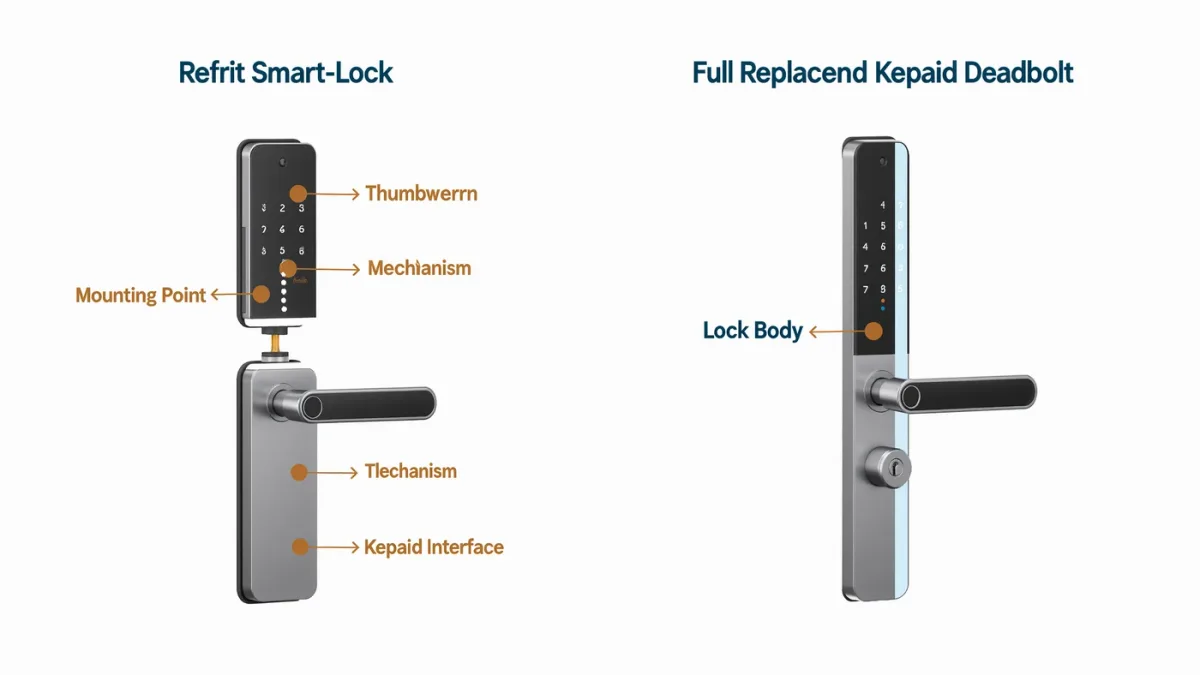
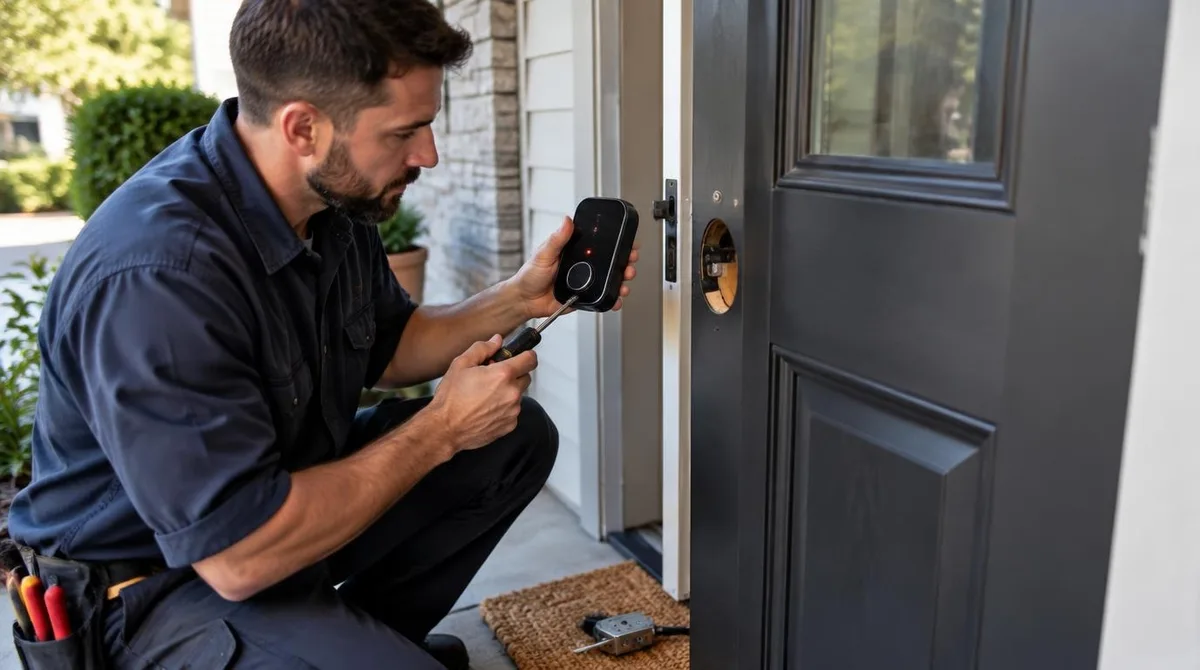
Retrofit models drop into the standard bore most doors already have, which is why installs take an hour. Full replacement sets add bigger bolts and strike plates, at the cost of the door itself.
Power choices shape the deal. Battery packs swap in seconds, and low battery alerts should arrive weeks early, not hours. Shared codes age into smudges on the pad. Rotating guest codes keep the pad clean and the list current.
The Standards Behind The Bolt
BHMA writes the grades that matter, from duty cycle to forced entry resistance, under ANSI accreditation. Builders hardware grades appear on packaging, and the difference between grades is the difference between a lock and a suggestion.
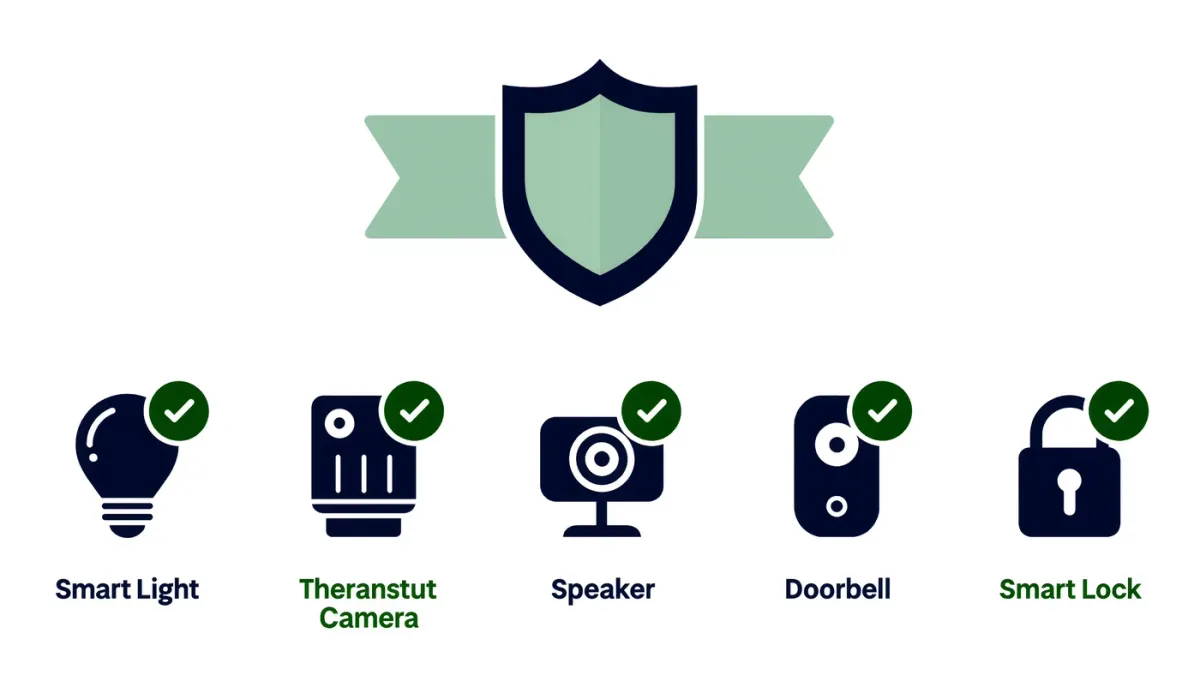
On the digital side, Matter gives locks a common language and one app pairing code. The Federal Trade Commission adds the obvious. Change every default code, and put two factor sign in on the account that holds the keys. Readers following this should also see Smart Home Sensors: Every Type And What Each One Detects.
Battery life and duty cycle counts sit in the same spec sheets. Reading them takes ten minutes and sorts the market fast. We covered a connected angle in Smart Home Installation Services: Reading The Market And Every Quote.
Grades apply to the whole assembly, not just the cylinder. A graded bolt in an ungraded door frame is a strong link in a weak chain.
Failure Modes Worth Testing
Dead batteries top the list, so every good lock keeps a key or terminal backup. Seized motors follow, usually from misaligned strike plates or a sagging door. Slow unlocks often mean the bolt scrapes, and scraping becomes sticking becomes locked out.
Cold weather drains batteries fast. Winter is when most dead locks get discovered, usually at the worst hour. Motor noise tells on itself too. A quiet click stays quiet for years; a grinding throw is a warranty call waiting to happen.
Test before trusting: lock and unlock a hundred times in week one. Watch for lag, for missed events and for codes that work when the internet is down. Local control is not a luxury on a door.
What A Smart Lock Cannot Fix
A smart home door lock cannot fix a weak door. A hollow core slab, a shallow strike box and a two screw frame all surrender early. The bolt outlives all three. Spend the first hundred on the frame.
Weather stays on the list too. Direct rain kills keypads, and a door without an awning needs a covered pad.
Nor can it fix habits. Codes shared with half the neighborhood, or an app account with a reused password, undo the hardware. The lock is one layer of a door that is really several systems stacked.
Conclusion: The Next Bolt
The next bolt talks more and turns the same. Watch for fingerprint modules getting cheaper, and for insurance discounts tied to logged entries. A smart home door lock earns its keep the day its records settle an argument. Codes that expire on their own do the rest. Audit trails age better than keys, and that log keeps growing into the real product.